November 16, 2025 – Chandler, Arizona – DRIPBL® (Dream, Research, Innovate, Problem/Project-Based Learning) and the Shaw Institute have entered a new strategic partnership designed to bridge the gap between cutting-edge scientific research and K-12 education. This collaboration will offer students authentic, hands-on learning experiences to inspire curiosity and forge clear pathways into Science, Technology, Engineering, and Mathematics (STEM) careers. Get ready for access to more High school STEM internships!
The partnership, spearheaded by Rachna Nath, Founder of DRIPBL®, and Dr. Charles Rolsky, Executive Director of the Shaw Institute, aims to foster critical thinking and innovation skills by immersing students in real-world research environments and methodologies.
“The future of scientific discovery rests on the foundation we build for today’s students,” said Rachna Nath. “By partnering with the Shaw Institute, we are moving beyond the textbook, giving our students direct access to the research world and the innovative mindset required to solve tomorrow’s complex challenges.”
Key Components of the Collaborative Learning Initiative
The partnership will launch a multi-faceted program targeting students across the K-12 spectrum:
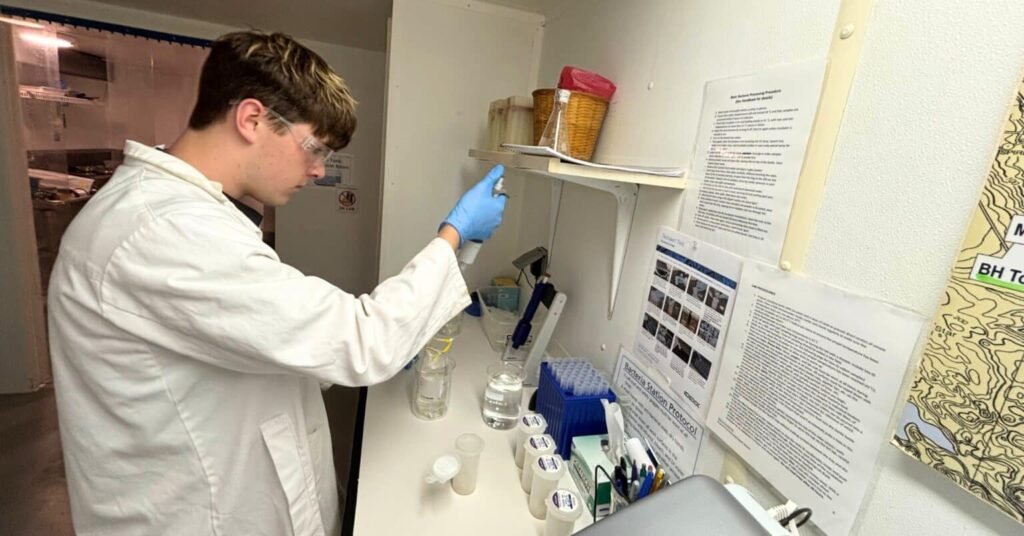
- High School Research Internship Program (Ages 16+): An immersive 3-week summer program that will place high school students directly alongside scientists. This experience will expose them to authentic scientific methodologies and potential career trajectories in research.
- Project Mentorship: Dr. Rolsky and Shaw Institute experts will provide ongoing mentorship for selected DRIPBL student projects, offering expert guidance and direction for student-led research initiatives that align with the Institute’s mission.
- NSF STEM K-12 Bootcamp Speaking Engagements: Shaw Institute experts will serve as featured speakers during DRIPBL’s NSF STEM K-12 bootcamp programs, sharing their research to engage and inspire young participants with real-world applications of scientific concepts.
- Virtual Data Analysis Projects (Students under 16): Younger students will participate in remote learning experiences utilizing real research datasets to develop foundational analytical and scientific interpretation skills in an accessible virtual format.
Dr. Rolsky emphasized the value of this early exposure: “This collaboration is crucial for building a robust STEM pipeline. We aren’t just teaching students about science; we’re giving them the chance to actually be scientists. Providing early exposure to professional data, equipment, and mentorship is the most effective way to spark genuine, lasting passion for the field.”
Expected Impact and Long-term Vision
The initiative is structured to deliver significant educational and career pipeline impacts:
- Educational Impact: Sparking genuine curiosity, providing authentic research experiences, and developing essential critical thinking and problem-solving skills.
- Career Pipeline Development: Creating sustainable pathways encouraging students toward STEM career exploration, building meaningful mentor-student relationships, and establishing a network of young researchers prepared for advanced education.
Through this strategic partnership, DRIPBL® and the Shaw Institute are committed to collaboratively nurturing the next generation of scientific leaders, ensuring they enter their careers with both technical competency and the innovative mindset necessary to lead.
To learn more about the Shaw Institute, visit ShawInstitute.org. To learn more about DRIPBL®, visit DRIPBL.com.
About DRIPBL®
DRIPBL® (Dream, Research, Innovate, Problem/Project-Based Learning), founded by Rachna Nath, is dedicated to revolutionizing K-12 STEM education by providing structured, project-based learning experiences that drive student-led innovation and research.
About Shaw Institute
Shaw Institute is a 501(c)(3) non-profit scientific research organization based in Blue Hill, Maine. Established nearly 35 years ago, the Institute’s mission is to work to discover and expose environmental threats to the health and wellbeing of people, wildlife and the environments we share. Our research on plastics, ocean pollution, marine mammal health, toxic chemicals, and climate change has informed public opinion and influenced public policy, impacting millions of people in Maine, the U.S. and worldwide.